.JPG)


Technology
By
Silas Cottle
Glass vs Vandal Proof: Choosing the Right Cladding for Your Shelter
Blog Detail
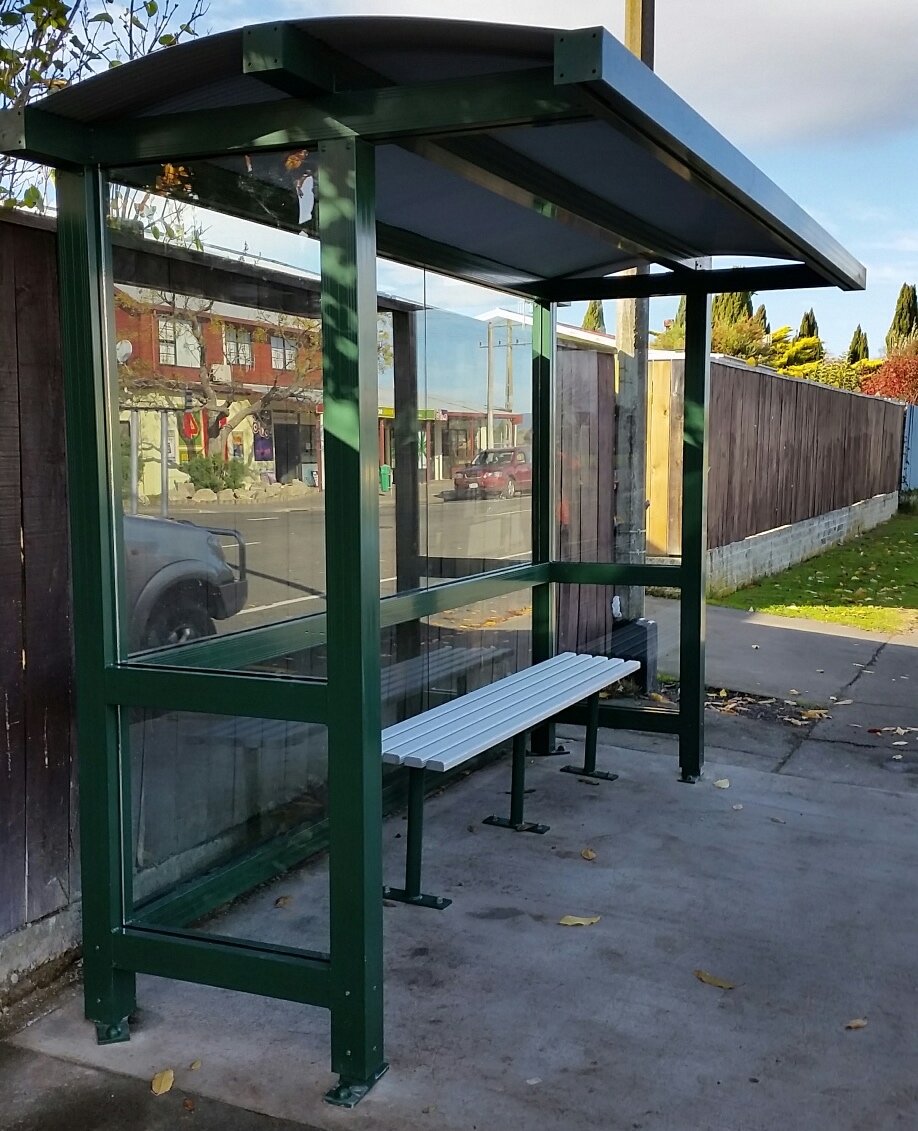
When specifying a bus shelter or smoking shelter, one of the first decisions you face is cladding type. Do you go with full glass, perforated aluminium, or a combination of the two? It is a question we get asked constantly, and the honest answer is that it depends on your specific situation.
Here is a straightforward breakdown of how we think about it.

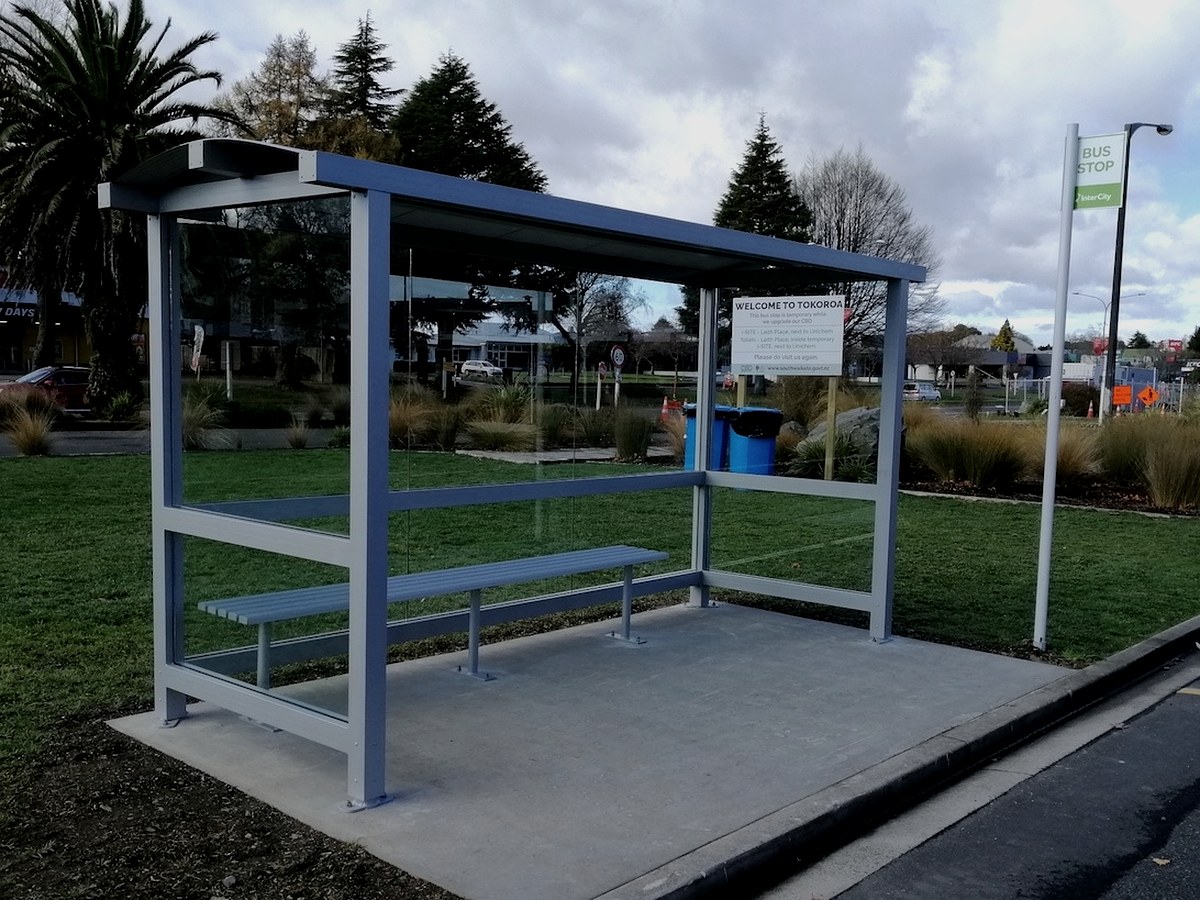
1. Full Glass (FG)
Full glass shelters use 10.38mm laminated safety glass throughout. They look clean and open, provide excellent visibility, and are the aesthetic preference for most councils in lower-risk environments. Laminated glass holds together if broken, which is an important safety feature compared to tempered glass, which shatters into fragments.
The downside of glass is replacement cost when panels are damaged. A single broken glass panel is a real cost — not just the glass but the callout and installation time. If your site has a history of vandalism, glass will become an ongoing maintenance expense.
2. Vandal Proof (VP)
Vandal Proof shelters use perforated aluminium panels throughout. There is no glass to break. The perforated panels still provide meaningful weather protection, allow visibility through the shelter, and are effectively maintenance-free from a damage perspective.
VP shelters are the right choice for remote sites, high-risk urban environments, locations without regular maintenance visits, and anywhere where replacement glass would be a practical challenge. The visual result is industrial but not unattractive, and they are trusted by councils for exactly the environments where glass doesn't make sense.
3. Combo (COM)
Our most popular configuration for medium-risk sites. Combo shelters use VP perforated aluminium panels in the lower sections and laminated safety glass in the upper sections. Both upper and lower panels are accessible to people standing or sitting in the shelter, so the choice of VP for the lower sections is partly about durability — lower panels take the most abuse — and partly practical. The main reason councils and specifiers choose Combo is field of vision: the glass upper sections maintain clear sight lines for passengers sitting or standing in the shelter to see approaching buses or vehicles, while the VP lower panels reduce the total amount of glass and the associated replacement cost. The result is a shelter that looks open and well-appointed, handles moderate vandalism well, and keeps maintenance costs under control.